


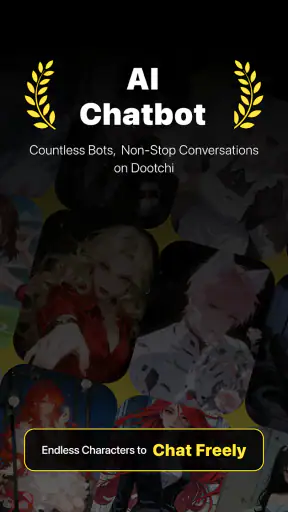

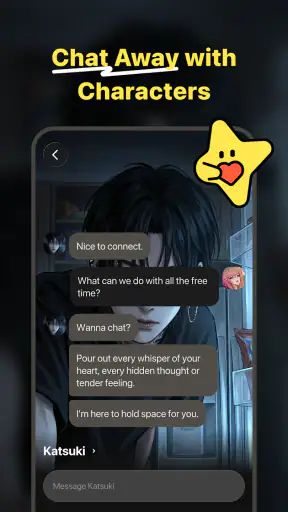
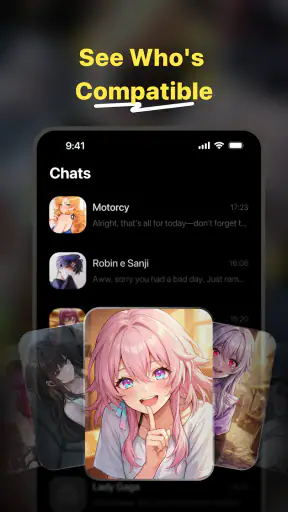
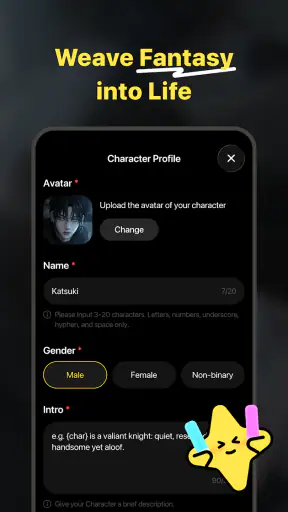
I tried Dootchi: Chat with AI Chars as the kind of entertainment app you might open when the house is quiet, your usual messages have gone unanswered, and you want a little conversation without committing to a full game or streaming session. Its appeal is simple: it gives you a place to chat, experiment with role-play, and spend time with AI characters. That makes it easy to pick up for a few minutes, but it also means the quality of your experience depends heavily on how clearly you set expectations and how carefully you handle shared-device use.
Dootchi sits in the entertainment category and is developed by Hello Kirana. It is free to install, with optional purchases ranging from $1.99 to $99.00 per item. The app is marked Mature 17+, which is important context if a phone or tablet is used by more than one person at home. I would not treat it as a general family chat toy simply because it is easy to open. The age label should be part of the decision before anyone shares the device with younger household members.
How Dootchi fits into everyday shared use
A casual companion for short breaks
My most natural use for Dootchi was not as an all-day destination, but as a quick activity between other things. I could imagine opening it while waiting for dinner, taking a break from work, or winding down before bed. The conversational format makes it less demanding than a conventional game: there is no level to complete, no match to schedule, and no long tutorial to learn before getting started. You simply enter a conversation and decide what sort of exchange you want.
That flexibility is also what makes it useful in a household where people have different entertainment habits. One person might use it for playful role-play, while another prefers relaxed conversation with a character. Nobody has to agree on a show or compete for the television. On a shared tablet, however, I would still treat it as a personal app rather than a communal one. Conversations can reflect the mood, humor, and interests of the person using it, so handing the device from one family member to another without checking the screen is not ideal.
A realistic scenario would be a household with one tablet in the living room. An adult opens Dootchi during a short break, then leaves the tablet on the coffee table. A teenager picks it up later and continues the session. Even if both users are comfortable with AI chat, the second person may see the first person’s prompts or encounter a tone that was intended for someone else. The practical lesson is straightforward: shared hardware does not automatically mean shared conversational space.
Why it feels different from ordinary entertainment apps
Compared with a video service, Dootchi asks you to participate rather than simply choose something to watch. Compared with a standard messaging app, it does not require another person to be available at the same moment. Compared with a traditional character game, the main activity is conversation rather than movement, combat, or collecting. That middle ground is the strongest reason to try it.
I found that the app works best when I approached it with a small purpose. For example, I might start a light role-play scene, test how a character responds to an unusual situation, or use a fictional conversation as a way to pass time. If I opened it expecting a deep, carefully plotted story every time, the experience felt less predictable. AI conversation can be entertaining precisely because it reacts, but that same flexibility can make it feel less polished than authored dialogue.
The key trade-off is freedom versus consistency. You get room to steer the exchange, but you should not expect every response to maintain a perfect personality, a carefully paced plot, or the same level of wit. I consider that normal for this style of app, yet it is worth knowing before you replace a story-driven game or a favorite series with it.
Setting a boundary before handing over the device
Dootchi is free to install, which lowers the barrier to trying it. The presence of in-app purchases changes the household conversation, though. I would check who can make purchases on the device before allowing casual access, especially if a payment method is already connected. I would also avoid assuming that a free download means every part of the experience is free in the same way. The purchase range is broad enough that adults should understand the spending setup rather than leaving it to chance.
This is one of the less obvious parts of reviewing a conversational entertainment app. With a normal puzzle game, a child may understand that a locked item is part of the game. With an AI character app, the desire to continue a particularly enjoyable interaction can make an optional purchase feel more personal. That emotional pull is a reason to establish a household rule in advance: try the free experience first, and discuss any purchase away from the excitement of the conversation.
I would also keep separate expectations for privacy and comfort. A chat with an AI character may feel private because there is no human friend on the other side, but the user can still type personal details, family situations, or identifying information. My advice is to keep prompts general, avoid entering passwords or financial details, and remind younger or less experienced users that an AI character is not a trusted adult, therapist, or emergency contact.
Creating a workable routine for several users
For a shared device, coordination matters more than people expect. Before using Dootchi together, I would agree on a simple routine: one person finishes a session before another starts, the screen is not left open in a public room, and nobody continues someone else’s conversation without permission. These are ordinary courtesy rules, but they prevent the most common source of awkwardness: one user unexpectedly seeing another user’s role-play or personal prompts.
If several people in the home want to use the app, I would give each person a clear turn and avoid treating one visible conversation as a household account. The app may be entertaining to discuss, but the actual chats should be treated as belonging to the person who created them. I would not invent a family profile system or assume that the app separates users automatically. Instead, I would rely on the device’s own account boundaries and on deliberate habits.
Another useful habit is to end a session before putting the device down. That means returning to a neutral screen rather than leaving a vivid conversation open. This is especially helpful when guests, siblings, or children may pick up the tablet. It also makes the next session feel like a fresh start instead of an accidental continuation of someone else’s mood.
What to expect from the conversation itself
The best way to use Dootchi is to guide it actively. Short, vague prompts can produce a loose exchange, while a clear setup gives the conversation more direction. I had better results when I explained the tone I wanted, the setting, and what kind of response would keep the scene moving. This is a practical tip that does not appear in a short store description: treat the first few messages as a director’s note, not merely as a question.
For role-play, I would establish boundaries in plain language. Say whether the scene should stay humorous, dramatic, friendly, or suitable for a particular audience. If the conversation drifts, restate the desired direction instead of repeatedly asking the same question. That approach saves time and helps distinguish a genuinely enjoyable exchange from a session that is only wandering because the prompt was too open.
There is also value in using Dootchi for low-pressure creativity. You could brainstorm a fictional situation, rehearse dialogue for a story, or explore how a character might react to a difficult choice. I would not use it as the final authority for factual research, personal decisions, or sensitive advice. Its strength is interactive entertainment, not dependable expertise.
Age context and trust in the home
The Mature 17+ rating deserves more attention than a small label beneath an app icon. It tells me that Dootchi should be approached as adult-oriented entertainment, not as an app to place freely in a child’s hands. A shared device can blur that line because different people may assume that anything already installed is suitable for everyone. In this case, that assumption would be careless.
Parents and guardians should discuss the app before allowing a teenager to use it, rather than relying only on the rating. The important questions are practical: What kinds of role-play are appropriate in your home? What information should never be typed into a chat? What should the user do if a response feels uncomfortable or confusing? A calm conversation beforehand is more useful than trying to supervise every sentence after the fact.
I would also be careful with the word “character.” An AI character can imitate a style of conversation, but it is not a human friend with responsibility, judgment, or real-world awareness. That distinction matters most when someone is lonely, upset, or looking for reassurance. Dootchi can provide an engaging distraction, but I would direct serious emotional, medical, safety, or crisis concerns to a trusted person or appropriate professional support.
Trust also includes being honest about the app’s role in the household. If one person uses it for private creative play, other family members should not tease them or inspect their chats without permission. At the same time, privacy should not be used to hide purchases or bypass an agreed household rule. The healthiest approach is a clear boundary around conversations combined with clear responsibility for spending and age-appropriate use.
Performance expectations and version context
Dootchi is available for devices running Android 7.0 or later, so it can reach older Android hardware rather than requiring a recent phone. That is helpful for households that keep an older phone as a spare or use a previous-generation tablet. Still, compatibility on paper does not guarantee an equally comfortable experience on every device. Conversation apps are easier to enjoy on a screen and keyboard that make typing comfortable, and older hardware may feel less pleasant for extended sessions.
The current version is 1.0.70. I would keep the app updated through the normal platform process, particularly because conversational products can change in feel as versions evolve. An update may affect navigation or the way interactions behave, so I would not build a household routine around a particular screen layout without checking it occasionally.
The app has an average rating of 4.7 from around 120,000 ratings, with more than 3,000 written reviews, and it has passed 5 million installs. Those figures suggest that Dootchi has found a sizable audience and that many users enjoy the basic idea. I still would not treat popularity as proof that it suits every household. The Mature 17+ label, optional spending, and open-ended AI format matter more than install volume when deciding whether to put it on a shared device.
Who will enjoy it, and who should skip it
I would recommend Dootchi to adults who enjoy improvisation, character-driven chat, and entertainment that responds to their input. It is a good fit for someone who wants a quick fictional interaction without learning a complicated game system. It may also appeal to creative users who like testing scenarios and shaping dialogue through prompts.
I would be more cautious recommending it to someone who wants a fixed narrative with a satisfying ending. A story game or interactive novel is likely better if you value authored pacing, continuity, and a clear conclusion. Likewise, a streaming service is the simpler choice when you want to relax passively. A conventional messaging app is better when the real goal is dependable contact with friends or family.
I would skip Dootchi for unsupervised child use, for households that cannot keep purchases under control, or for anyone likely to mistake an AI response for professional guidance. I would also skip it if you dislike typing or find open-ended conversations tiring. The app’s central activity is the conversation itself; there is no reason to force yourself through that format if you prefer visual games, music, or video.
My household verdict
After using Dootchi, I see it as a flexible entertainment companion rather than a replacement for human connection, a family communication tool, or a fully authored game. Its strongest quality is the low commitment: I can open it, choose a conversational direction, and create a small scene without organizing a group or investing an evening. That makes it unusually convenient for quiet breaks and spontaneous creative play.
For a household, though, convenience needs structure. I would install it only on a device whose users understand the Mature 17+ rating, and I would set expectations around personal chats, purchases, and leaving the screen unattended. I would not present it to younger family members as harmless simply because the interface feels conversational. The app is easier to enjoy when everyone knows where its boundaries are.
My final recommendation is therefore selective but positive. If you are an adult looking for AI character chat and you enjoy steering role-play rather than following a fixed script, Dootchi is worth trying at its free entry point. Give it a clear prompt, keep personal information out of the conversation, and treat purchases as a deliberate choice. If you need reliable advice, child-friendly shared entertainment, or a carefully written story, choose a different category instead. Used on its own terms, Dootchi offers an engaging way to fill spare moments without demanding the commitment of a larger game.


